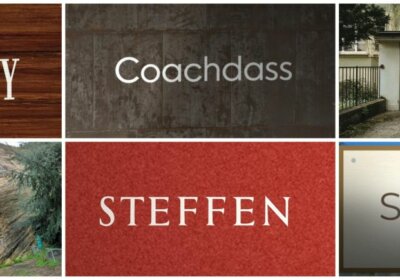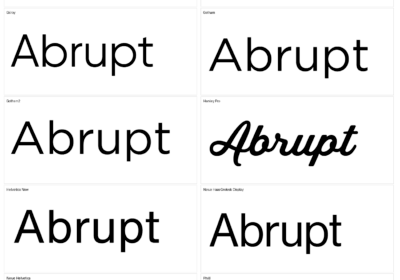

Fonts are powerful… some fonts will boost consumer response by up to a significant 13 percent.

Find below which ones, you can’t guess them.
Monotype together with a neuroscience company called Neurons, released a must-read research that demonstrates the emotional impact of fonts on consumers.
This is the very first study of its kind and it is super interesting, you really should read it.
The study shows how 3 different fonts drive experiences, associations, and emotional response.
In summary, typeface choice alone can boost consumer response by up to 13%.
“This study tested our biggest assumptions about consumers’ emotional response to type and confirmed everything the broader design community has believed about type for decades
—that it measurably affects consumers’ recognition of, confidence in, and recollection of brands,” said James Fooks-Bale, Monotype senior brand director.
“Even in the absence of color, logo, movement or any other traditional element of visual identity, typography plays a crucial role in conveying trust, sincerity, and reliability—brand marketers, agencies, and creatives should take note.”
400 people were surveyed for this studyThese 400 people were surveyed with 3 different stimuli:
– single words
– a sentence using those words
– and a sentence with the words including a brand
Some Fonts Will Boost Consumer Response By Up To A Significant 13 PercentAll these words were set in 3 typefaces:
– FS Jack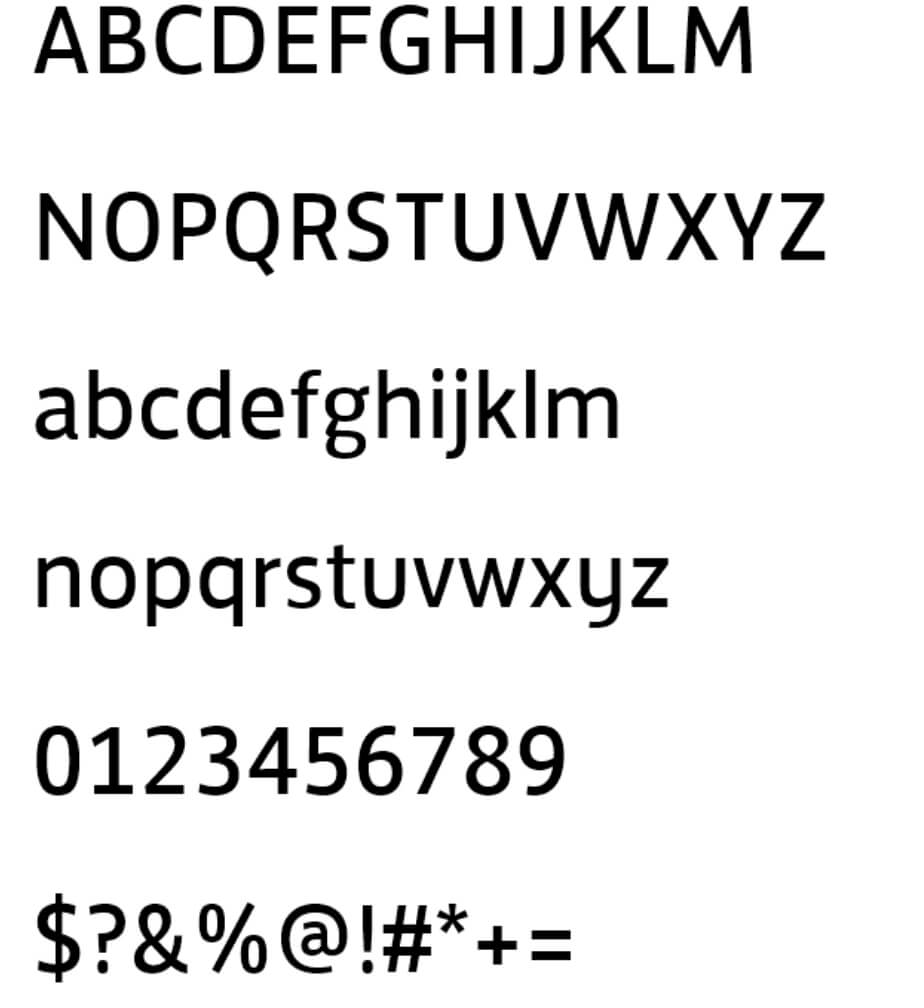
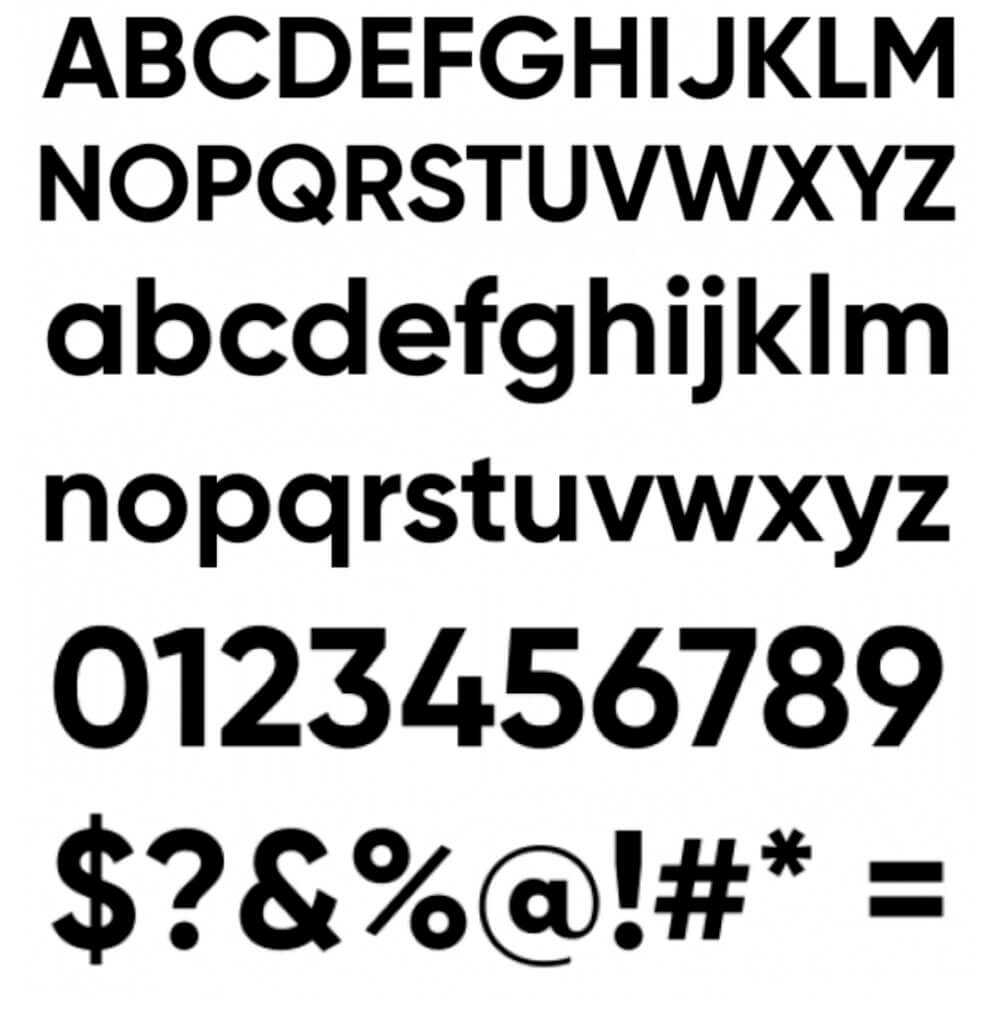
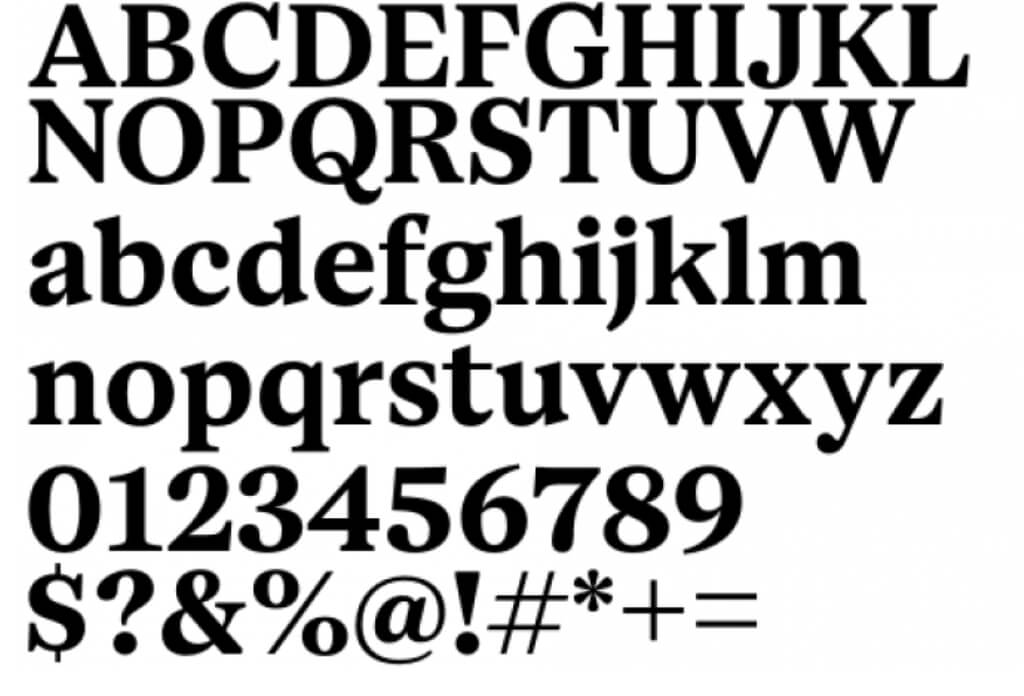
Respondents rated the combinations with metrics like how sincere, memorable, trustworthy or confident they felt.
Consumer research findingsThere are some of the results:
– Cotford Display Regular boosted consumer response by up to a significant 13 percent.
But also increased by 10% how memorable it was, and a 9% increase in trustworthiness.
– FS Jack Regular boosted people’s self-confidence by 12%.
– Gilroy Bold showed a 12% increase in prominence and a 5% increase in competitor standout.
“This study shows that we have emotional relationships with type and our brains have a significant response to letter shape.
The results in this study far exceed the typical 0-5% positive response to typeface,” said Thomas Zoëga Ramsøy, the founder and CEO of Neurons.
“The importance of branding has never been more evident, but these responses are typically unconscious, making them hard to measure with traditional means. Here, the ability of applied neuroscience to uncover cognitive responses that help brands and creatives build high impact messages and experiences is clear.”
“Our work with Neurons reinforces type’s powerful effect on people.
Simple shapes of a letter—what many take for granted—can spark a cognitive and emotional reaction, leading to a subconscious judgement around a brand’s honesty, sincerity or innovation,” added Phil Garnham, senior creative type director at Monotype. “On the flip side, brands that take type for granted and employ a poorly chosen typeface risk alienating their customers, negatively impacting the bottom line.”
For complete information, use the link from the beginning of the article and read the whole research.
ConclusionsThis research is again showing us that font selection is super important.
Choosing fonts for our projects is one of the best things we can do for our projects. (websites, landing pages, documents, logos, etc.)
These fonts will help us with better conversions (sales, subscriptions, subscribers, etc.).
Selecting fonts that do well is simple, quick, and free.
But selecting fonts that complement our projects is a highly different task.
To do it completely right, the single way I can think of is to make a study and carefully analyze the results.
This will take some good time, and for sure some good money, but the results will be well correlated with your effort, time, and money.

I'm a programmer at heart. But in my 20s, I realized there was more to the world of fonts than just Courier.
Driven by endless curiosity, I built a system to explore them.
That project grew into one of the world’s leading font identifier platforms: www.WhatFontIs.com.
By 2024, WhatFontIs is helping nearly one million designers—famous or not—discover the names of the fonts they need.