An interesting thing about the human brain is that it is always working to absorb and make sense of a wide variety of environmental happenings. Typography is one of those signals that people often overlook despite its enormous impact. Typography influences our thoughts, emotions, and, in the end, our purchase choices because of the many places we encounter it, from product packaging to websites. It’s not just about what you like when it comes to choosing a font. Thanks to its capacity to combine commercial and psychological insights, typography has become an important aspect in designing e-commerce and advertising websites. That’s why this article on how fonts affect buying decisions will look at the complex connection between typefaces and how people think.
Fonts bring more than just readabilityTypography, fundamentally, is a visual language. Although legibility is obviously critical (a hard-to-read font will immediately annoy and discourage), its impact goes well beyond this basic need. Fonts have a “personality” of their own that transmits meaning to the viewer in subtle and often unconscious ways. The depth of the strokes, the presence or absence of serifs, the distance between letters, the overall sense of formality or informality, and even personal connections to the past all play a role in its character.
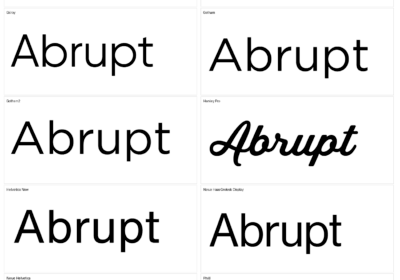
Take into consideration the contrast between a powerful, angular sans-serif and a delicate, flowing script. The former could bring up images of sophistication, or opulence, while the other may represent power, efficiency, or modernity. These mental and emotional connections are not coincidental, but rather result from the way our brain processes visual information. With this unspoken language in hand, designers and marketers can pick fonts with precision to match their desired brand image and the psychological profile of the target audience.
How fonts influence perceptionSeveral important psychological factors can be used to understand the impact of fonts on purchasing decisions:
1. First, fonts have the ability to trigger particular emotions and connections, as previously stated. The younger generation may be more receptive to a product whose ads feature a friendly, carefree typeface like Comic Sans (despite its controversial reputation, its rounded, informal strokes can convey playfulness) or Bubblegum Sans. On the other hand, a bank that chooses a strong, traditional serif font like Garamond or Palatino Linotype is trying to show that it is strong, stable, and trustworthy. These emotional connections can create a deep bond with the customer that reasoning can’t equal because they go right to the heart. By employing an informal, handwritten-style font like Dancing Script or Sacramento, a coffee shop can create an atmosphere that is inviting, genuine, and artisanal, which could lead customers to spend more time and money.
2. Fonts play an essential part in developing a brand’s personality, which in turn shapes consumers’ trust in the brand. Typography transmits the essence of a brand in the same way that a person’s voice or attitude reveal features of their character. Brand recognition and memorability are both enhanced by using a consistent and tasteful typeface. Importantly, typefaces can either strengthen or weaken confidence. People may assume unreliability or even dishonesty if the font is poor, inconsistent, or hard to see. Conversely, consumers are more likely to have faith in a brand that uses carefully chosen and expertly executed typography since it conveys reliability, professionalism, and a dedication to quality. Picture a legal document set in the serious, legitimate-looking Times New Roman font, or a high-tech company’s documentation using the clean, modern Roboto or Lato to project efficiency and precision.
3. The way a font looks can affect how much people think a product or service is worth and how good it is. Premium brands often utilize more delicate and refined fonts that give off an appearance of exclusivity and elegance that fits with their higher prices. Think about a high-end fashion brand using the sleek and classy Didot Display or Bodonio to show off their flair and quality. On the other hand, discount businesses might use a simpler typeface like Oswald or Impacto to highlight pricing and function, which shows that they are taking a cost-effective approach. It’s more vital to make sure that the look of the brand is in line with its market position than to lie. A high-end watch brand would never let anyone use Comic Sans. Instead, they would pick a clean, elegant sans-serif font like Futura Arabic or a carefully made serif font like Trajan Pro to go with the accuracy and originality of their watches.
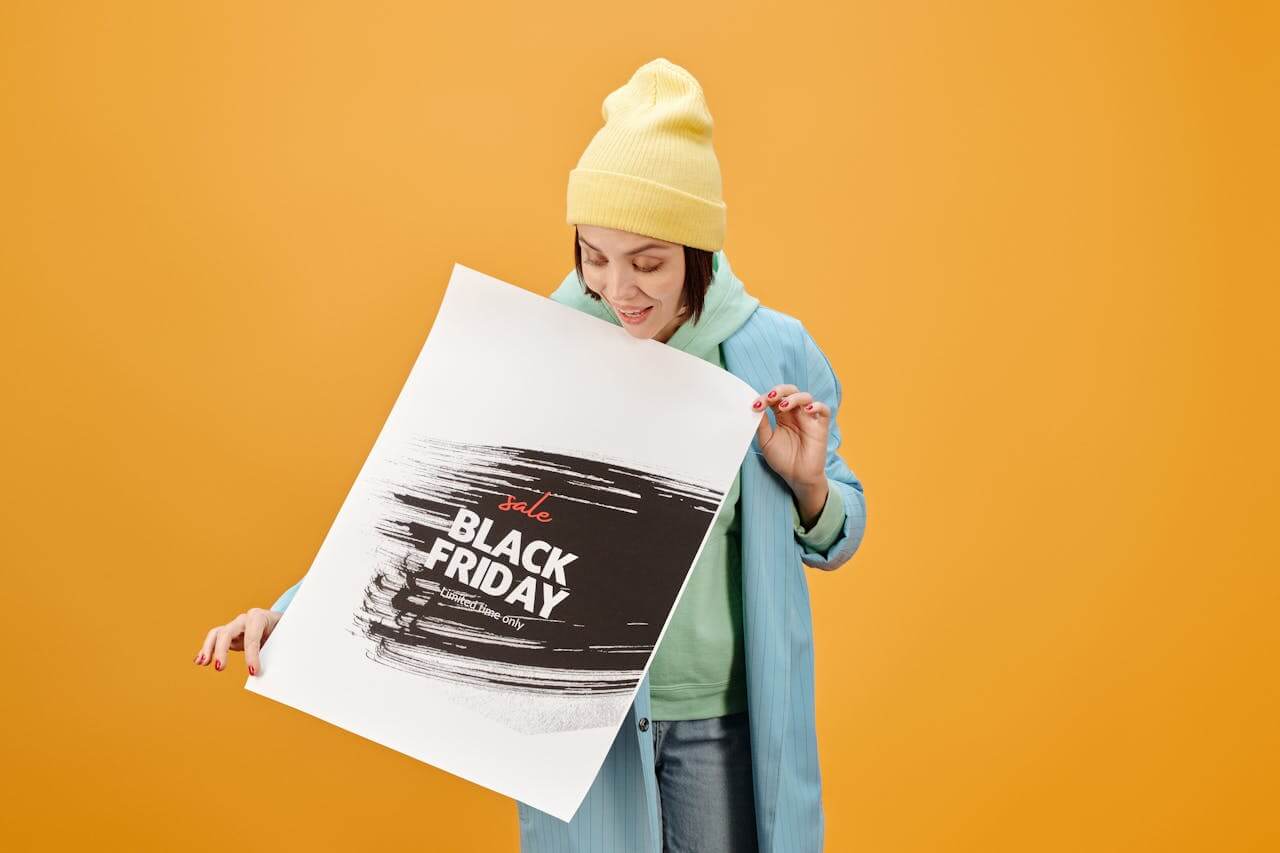
4. Typography is a good way to do just that. Larger, bolder fonts naturally bring attention to important information like product names, prices, or calls to action. For example, a sale banner might use Bebas Neue to show the discount right away. Changes in font size, style, and weight can help the reader follow the material, making it simpler to understand and remember. This is especially useful when purchasing online, for example, to call attention to “add to cart” buttons and sales. Montserrat Bold is a clear, bold sans-serif font that an e-commerce site could use for its “Add to Cart” button to make it stand out. A body typeface that is easier to read, like Merriweather (serif) or Source Sans Pro (sans-serif), gives the information, while a display font that is more eye-catching, like Lobster or Pacifico, captures attention in an ad’s headline.
5. Given the competitive nature of the industry, brands work hard to stand apart. Stand your business from the competition with custom-designed fonts or carefully selected unique typefaces. For example, a gourmet food brand might commission a script font that feels genuinely handcrafted, or a craft brewery could use a rugged, custom-distressed typeface like a modified ChunkFive to emphasize its artisanal approach. For handmade goods or firms targeting a certain demographic, this strategy might work wonders, creating a distinct visual voice that resonates deeply with their niche market.
What fonts are best to raise your profitsSerif fonts, like Times New Roman or Baskerville, convey tradition, reliability, and elegance. They are ideal for established brands and legal documents, projecting trustworthiness and heritage.
Sans-serif fonts, such as Helvetica World or Open Sans, offer a modern, clean, and approachable aesthetic. Their high legibility on digital screens makes them a favorite for tech companies and minimalist e-commerce sites, signaling efficiency and user-friendliness.
Script and handwriting fonts, including Pacifico or Great Vibes, express authenticity, creativity, and a personal touch. A bakery might use Pacifico to suggest homemade quality, while Great Vibes can add sophistication to event invitations.
Display fonts, like Impacto or Lobster, are designed to be bold and attention-grabbing. They are perfect for headlines or promotional offers, instantly capturing the eye with their unique or playful styles.
Lastly, tech accessory manufacturers often utilize monospace fonts like Courier New to portray a specialized aesthetic, as they inspire precision and technology. Businesses can quietly influence customer impressions and fortify their brand identity by understanding these font personalities.
If you haven’t found a font that suits your needs among our suggestions, perhaps you’ve found one from another company that you really enjoy; it expresses the exact message you want to communicate to your buyers, encouraging them to spend even more on your items. However, you are unsure of the name of this font.
At this point, WhatFontIs.com may prove to be really useful. Our website can do more than just let you upload a screenshot and find the name of a typeface you saw elsewhere. It can also do other things. If you’re not sure if a license is necessary for the typeface you want to use, we can help you figure it out. Here you can try out this feature without spending a dime.
People often don’t think about how fonts might subtly affect how individuals act and make decisions about what to buy. Fonts are more than just letters. They can change how people feel and act. Fonts are a mix of marketing and psychology that businesses employ to create a brand personality, generate trust, show value, and get people to buy. In e-commerce and advertising, it’s important to know this “silent language of type.” Choosing the right font shapes increases loyalty and helps a company do well in the digital age.

I'm a programmer at heart. But in my 20s, I realized there was more to the world of fonts than just Courier.
Driven by endless curiosity, I built a system to explore them.
That project grew into one of the world’s leading font identifier platforms: www.WhatFontIs.com.
By 2024, WhatFontIs is helping nearly one million designers—famous or not—discover the names of the fonts they need.