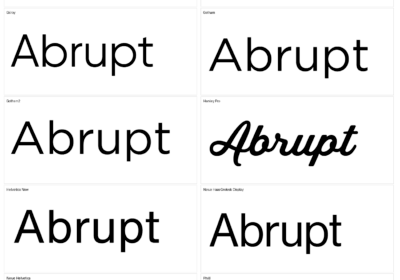
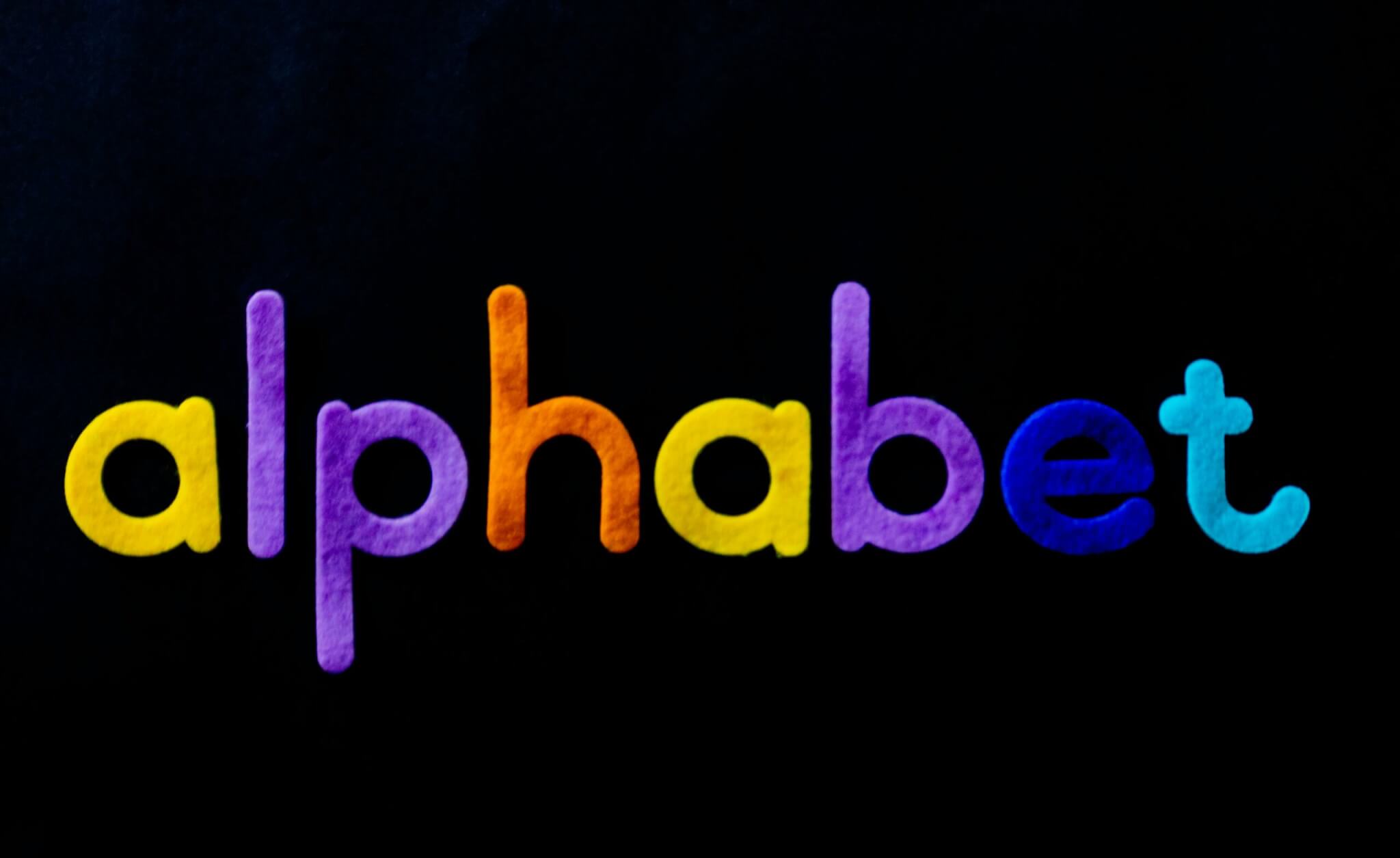
Fonts have many other purposes outside simply displaying text. They have the ability to bring out emotions, set a tone, and even tell stories through their visual nature. The forms of the letters express individuality and complex connotations, making them a bit like silent storytellers in design. Compare a child’s birthday party invitation with a lively, cartoonish typeface to a classy wedding invitation with a delicate style. Even if the phrases are almost identical, the impact they have on you is totally different. Choosing the appropriate font is essential for every design job since it could communicate more than just words.
Choosing the correct typeface is especially important when aiming for a sense of playfulness and enjoyment. It’s the secret to quickly connecting with your audience on a lighter note, which in turn makes for an engaging and enjoyable experience. Think about the awful outcomes you’d get if you tried to market a kid-friendly toy using a serious, conventional font. On the other hand, a lively engagement is best served by a font that is both playful and round, since it has the power to instantly create feelings of joy, excitement, and friendliness. The font creates a friendly atmosphere, encouraging people to relax, join in, and have a good time.
In this article, we’ll look at some font tricks that will make your designs appear more animated and entertaining. We’ll dive into the fascinating field of typography and examine how various font designs influence perception and create emotions. We will learn how to select fonts with a bright vibe, from those with rounded forms that express warmth to those with strong, thick styles that reflect vitality. We’ll also go over some ornamental components to provide some fun and how to use script and handwritten fonts to convey some personality and informality.
Picking a font is only the first step. We will also go over the best practices for using typefaces, including how to coordinate their use with color and the design as a whole. Making sure fonts are intelligible is critical, even in playful designs, and we’ll show you how to use contrast and visual importance to your advantage. Additionally, we will discuss font pairing, which involves combining multiple font types to create designs that are dynamic and engaging. By the time you reach the conclusion of this piece, you will be having the necessary knowledge and skills to utilize fonts in a way that produces visually appealing and creative designs.
Understanding the psychology of fonts and playfulnessIt is useful to understand the relationship between typography and playfulness before diving into particular fonts. Some fonts have a natural capacity to make us relax, while others bring us joy. The use of rounded fonts, as opposed to harsh, angular ones, gives a sense of friendliness and accessibility. Put it this way: a pointed dart doesn’t feel nearly as fun as a bouncy balloon. If you’re going for a joyful, cheerful mood, rounded letters are the way to go. Fonts with this rounded quality include Poppins and Nunito.
Fonts that are handwritten or script also tend to provide an air of informality and personal touch. They bring off a sense of familiarity and comfort, making the atmosphere feel less formal and more entertaining. Just think about how much more intimate an invitation that is handwritten would be compared to one that is printed in a formal font. Scripts with a handwritten quality, such as Pacifico or Amatic SC, are charming. Never forget that readability is important. So, refrain from making excessive use of ornate scripts.
Big, bold letters reflect enthusiasm and vitality. You can use them to highlight key words or phrases in a fun design; they’re both eye-catching and impactful. Think of a large, strong font on a carnival poster; it stands out right away. For a more spectacular look, try using Impact or Bebas Neue, two bold fonts.
There are fonts that go the extra mile by including creative decorations like swashes, drawing, or amusing details within the actual letters. Use them with caution so they don’t overwhelm the design, but they may be great for setting a lively and carefree tone. These characteristics might be present in a font such as Bubblegum Sans. Even if the font doesn’t have any color in it, color greatly influences our perception of it. If you want to create an even more energetic and lively atmosphere, try pairing playful fonts with light blue, pink, orange, and yellow.
It’s important to keep in mind that terms like “playful” might have different connotations depending on factors like age, culture, and the design’s context. A tech business aiming for an inventive and exciting image might not want to choose a font that’s ideal for a children’s brand. A fun, contemporary font could be better for them.
Choosing the right font for your playful projectFor an entertaining project, there are a number of factors to consider while selecting a font. Before anything else, consider who you’re writing for. Which audience are you trying to attract? Fonts like Bangers and Bubblegum Sans are great for kids, while Nunito and Poppins are more appropriate for adults looking for a more refined but playful style. The project’s setting is equally important. Could it be a logo for a fun brand, an invitation to a birthday celebration, or the website of a toy store? A more refined script would be appropriate for a birthday invitation than a more lively, extravagant font for a toy store’s website. How official or casual the font should be depends on the circumstance.
When collaborating with a well-known company, it’s important that the typeface reflects the brand’s character and principles. A playful typeface should harmonize with the brand rather than compete with it. Using a comic typeface all of a sudden would be completely out of character for a financial institution. No matter how crazy the design, readability remains essential. For larger pieces of writing, it is extremely important to use legible fonts. Stay away from fancy fonts that are difficult to read. Consider a children’s book; the typeface should be clear to young readers.
Also, make sure it’s easy to read. How readily you can distinguish between different letters is what this measure is. Problems arise when fonts are readable but not legible, particularly at smaller sizes. Think about how challenging it would be to read a small, elaborate script font; individual letters might be hard to make out. Consider pairing fonts as a final step. You may add visual interest and structure to your design by using many fonts. Having said that, the typefaces should go together in hand. Fonts like Open Sans, which is neutral and easy to read, and Quicksand, which is witty, would make a great combination for headings and body text. On the other hand, if you’re going for a playful vibe, you could use a lighter, handwritten font like Amatic SC for subheadings and a bold, rounded typeface like Fredoka One for headings.
Examples of playful font categories and their usesLet’s have a look at a few fun font families and how they might be used. Although Comic Sans gets a lot of criticism, its main idea of being a nice and casual font is a good one. Using rounded sans-serif typefaces adds a touch of modern sophistication to playful informality. For a softer, more rounded feel, consider Comfortaa instead of Nunito. On the other hand, Overpass inspires an approachable, welcoming vibe while appearing slightly more structured compared to Poppins. Explore Circular for a more geometric alternative.
A personal touch and an air of informality can be achieved with handwritten and script fonts, which can range from delicate calligraphy to wacky scribbles. Due to readability concerns in large blocks of text, they are best used sparingly, typically for headings, logos, or brief sentences. Indie Flower is a great alternative to Pacifico if you’re going for a more informal, handwritten vibe. Alex Brush is a little less elaborate than Lobster, but it has the same antique feel. Reenie Beanie is a fun alternative to Amatic SC that nevertheless looks readable and lively.
Fonts that incorporate playful elements into their display design may contain bold serifs, humorous swashes, or even built-in doodles. Headlines or brief, powerful statements work wonderfully with them. Cooper Black is an alternative to Bubblegum Sans that is both bold and fun, with rounded corners. Check out Righteous if you’re in the mood for something vintage like Bangers; it has a similar level of boldness but a little different style. Think about Abril Fatface if you’re looking for a fun take on elegance like Playfair Display. It has a comparable dramatic weight to Playfair Display but a friendlier, softer vibe.
For projects with a nostalgic vibe, nothing beats using fonts that are reminiscent of old days. For a powerful, condensed vintage vibe, choose Bebas Neue or Orbitron instead of Lobster Two or Rancho. Orbitron has a more futuristic throwback vibe. These fonts bring a sense of character and melancholy to the screen.
Fonts with an amusing, cartoonish style are perfect for projects that target children or any other work of art that calls for a carefree vibe. Although they work well with younger viewers, they should be handled with caution so as not to come across as infantile. For a daring, cartoonish vibe, try Luckiest Guy instead of Fredoka One. Looking for a Halloween theme font that’s a little bit different from Creepster? Blackadder ITC has a dark, gothic vibe that might be just what you’re looking for. Make sure the typeface fits in with the rest of the design by thinking about the context.
Remember also that WhatFontIs.com is your friend when looking for a font you discovered online but cannot name. Just take a screenshot of the text including the font you are looking for, publish it to our website, and the strong search engine will locate the font name and offer connections. This simple approach allows you to incorporate interesting, modern fonts into your projects, therefore enhancing the visual attractiveness and optimizing the impression on your audience!

I'm a programmer at heart. But in my 20s, I realized there was more to the world of fonts than just Courier.
Driven by endless curiosity, I built a system to explore them.
That project grew into one of the world’s leading font identifier platforms: www.WhatFontIs.com.
By 2024, WhatFontIs is helping nearly one million designers—famous or not—discover the names of the fonts they need.