Typography is a critical element of design, influencing readability, aesthetics, and brand perception. Selecting the right fonts can significantly enhance the impact of any project, whether it’s a website, logo, or marketing material.
This guide explores the best free fonts available, covering various styles such as script, handwriting, display, and calligraphy, to help designers make informed choices and elevate their creative work.
Table of Contents- What makes the best fonts for modern design projects
- Free script fonts – elegant handwritten styles for creative projects
- Display fonts – bold typography for headlines and branding
- Font for web design – optimizing typography for digital platforms
- Most popular font choices among professional designers
- Free commercial fonts – licensing and usage rights explained
- Trendy fonts – contemporary styles shaping current design
- Google fonts for different applications
- Free photoshop fonts and design software integration
- Best fonts for portfolio and professional presentation
- Font collections and resources for designers
- Frequently Asked Questions
The best fonts for contemporary projects share several key characteristics that professional designers evaluate: readability across all sizes, versatility within font families, and accessibility compliance that ensures inclusive design without sacrificing aesthetic appeal.
Understanding what constitutes exceptional typography is fundamental to creating impactful design work. For designers who frequently encounter fonts they admire and wish to use, knowing how to identify fonts is an invaluable skill. The best fonts for contemporary projects share several characteristics. Professional designers evaluate typefaces considering aesthetic appeal and functional performance.
Essential criteria for high-quality typography- Readability: A font may have visual appeal, but if readers struggle to understand the content, the design fails. Good typography fonts maintain clarity across sizes, from headlines to body text, ensuring information remains accessible.
- Versatility: The most valuable fonts offer weights, styles, and variations within a family. This allows designers to create visual hierarchy while maintaining typographic consistency. Modern typography requires fonts that adapt across media, from print to digital.
- Accessibility: Contemporary design emphasizes accessibility. Fonts must accommodate users with visual impairments and dyslexia. This has pushed designers to prioritize typefaces with character differentiation, spacing, and contrast ratios.
The best fonts balance aesthetics with inclusive design, ensuring that beautiful typography doesn’t sacrifice accessibility. Selecting the right font involves balancing aesthetic appeal with functional requirements. By prioritizing readability, versatility, and accessibility, designers font choices can ensure their typography enhances the overall impact of their projects.
Free script fonts – elegant handwritten styles for creative projectsScript typography brings a human touch to design, offering warmth that mechanical typefaces can’t replicate. Free script fonts have evolved from calligraphic roots, encompassing styles for creative applications.
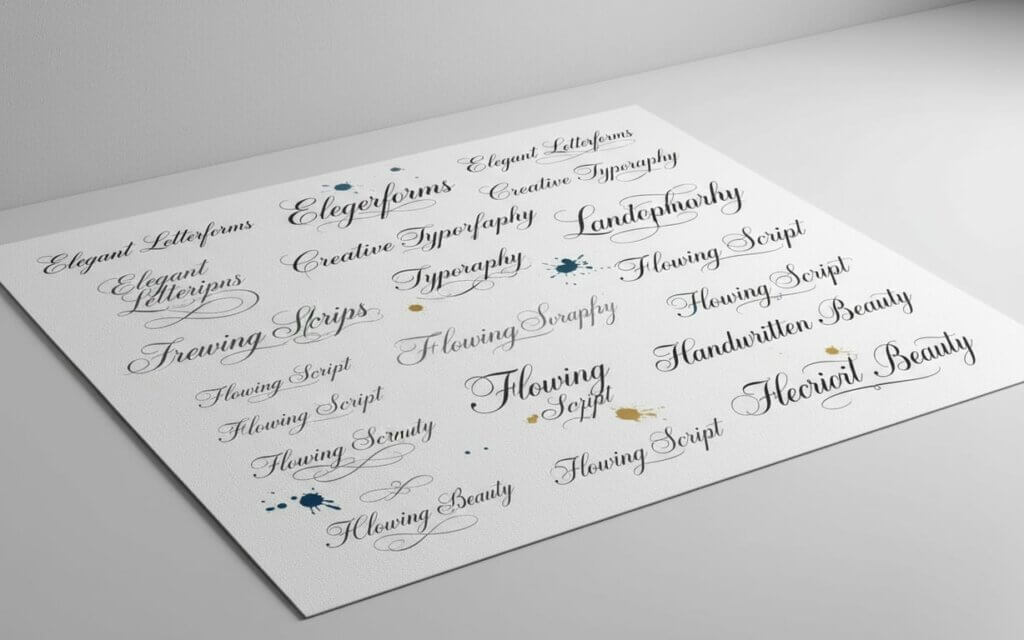
- Formal Calligraphy: Free calligraphy fonts often feature flourishes for wedding invitations and luxury branding, conveying elegance and sophistication.
- Casual Handwriting: Free handwriting fonts provide authenticity and connection, suggesting craftsmanship and human care for brands seeking emotional bonds.
- Brush Lettering: Relaxed script styles suit social media graphics and creative projects, offering a more contemporary and approachable feel.
The technical quality of script fonts varies, making selection crucial. Premium script typefaces include character sets and kerning that create connections between letters. Many free options offer these features.
When implementing script typography, consider readability. Script fonts work best for short text, headlines, and decorative elements rather than body text. Successful applications combine script fonts with readable typefaces, creating contrast while maintaining legibility.
Popular applications for script fonts include logo design and packaging. The key lies in understanding when these fonts enhance the message and when they might hinder communication. Skilled designers use script fonts strategically, leveraging their impact while respecting their limitations.
Display fonts – bold typography for headlines and brandingWhen choosing script fonts, prioritize those with good kerning and a full character set. Use them sparingly for maximum impact, pairing them with more readable fonts for body text to ensure clarity and visual appeal.
Best Script Fonts to use in 2026
Font Best for License type Allura(whatfontis.com) Formal calligraphy – wedding invitations, luxury branding, elegant logos Open-source (SIL OFL) – free personal & commercial use Great Vibes(whatfontis.com) Classic scripts – formal invitations, certificates, premium packaging Open-source (SIL OFL) – free personal & commercial use Pacifico(whatfontis.com) Casual brush lettering – social graphics, fun logos, lifestyle brands Open-source (OFL/Public domain) – free personal & commercial use Lobster(whatfontis.com) Bold, retro scripts – food & beverage, hipster cafés, badges Free for commercial use (OFL-based, via Impallari Type)
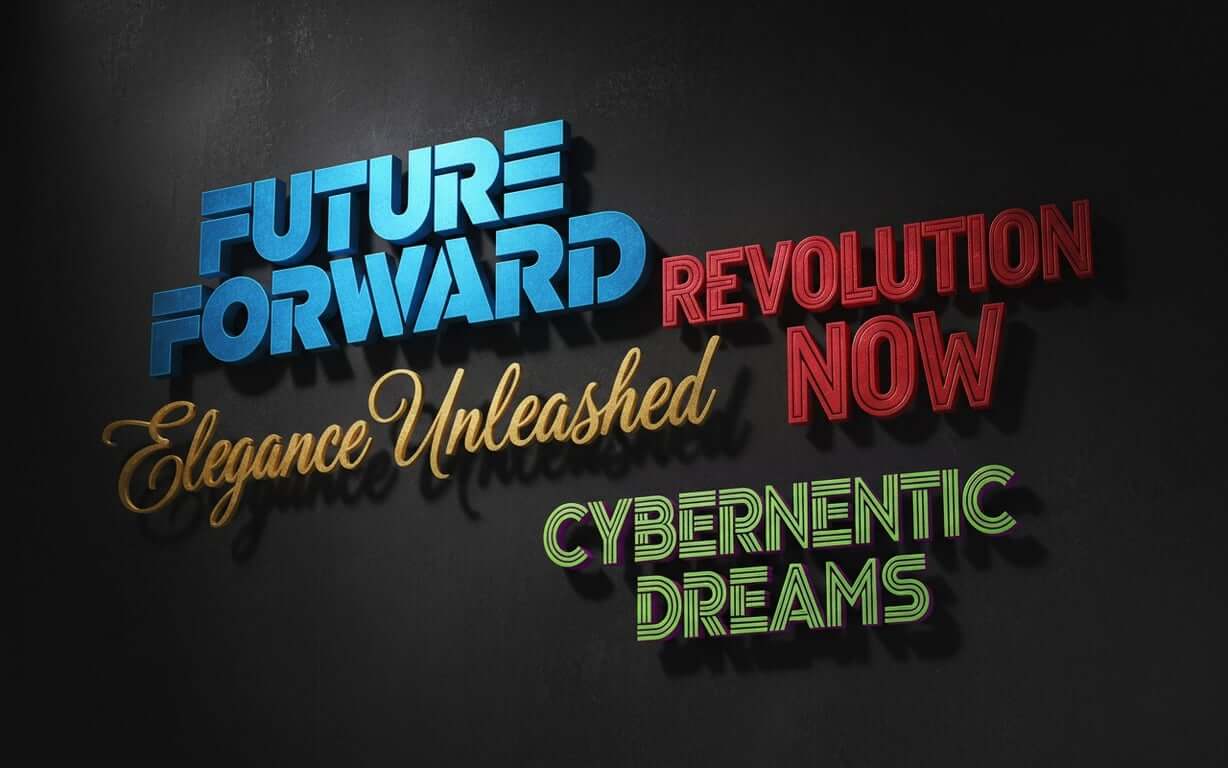
Display fonts grab attention, designed to make visual statements at large sizes. Unlike text fonts optimized for paragraphs, display typefaces prioritize impact. The best display font choices transform headlines into visual elements that capture attention.
The design philosophy behind display typography differs from text fonts. Display typefaces often feature exaggerated characteristics that create focal points in headlines and branding. These fonts incorporate decorative elements that enhance their impact.
Categories of display fonts for different brand personalities- Geometric Sans-Serifs: Provide aesthetics suitable for technology brands, offering clean and modern appeal.
- Hand-Lettered Styles: Convey authenticity, appealing to artisanal brands seeking to communicate craftsmanship.
- Vintage-Inspired: Tap into nostalgia, perfect for brands wanting to evoke heritage and timeless appeal.
- Free Decorative Fonts: Have democratized access to typography, allowing designers to explore creative possibilities without budget constraints.
Brand identity represents a critical application for display typography. Free logo fonts must balance distinctiveness with versatility, creating impressions while remaining functional across applications. The most successful branding fonts possess character at large sizes while maintaining legibility when scaled down.
The selection process for display fonts requires consideration of context. Fonts that work for music festival posters might prove inappropriate for financial services branding. Designers develop understanding of how different styles communicate messages, allowing them to match typography with brand personality.
Font for web design – optimizing typography for digital platformsWhen selecting display fonts, consider the brand’s personality and the message you want to convey. Balance creativity with legibility to ensure your headlines and branding elements make a memorable and effective impact.
Best Display Fonts
Font Best for License type Bebas Neue(whatfontis.com) Geometric, all-caps headlines – posters, hero banners, festival visuals Open-source / free for commercial use (Google / Dharma Type) Playfair Display(whatfontis.com) Elegant serif display – editorial titles, premium brand headlines, portfolio covers Open-source (OFL) – free personal & commercial use Raleway(whatfontis.com) Modern sans headlines – tech, SaaS, agencies, big hero headings Open-source (SIL OFL) – free personal & commercial use Poppins(whatfontis.com) Rounded geometric display – startup branding, mobile app headings, trendy layouts Open-source (Google; free personal & commercial use)
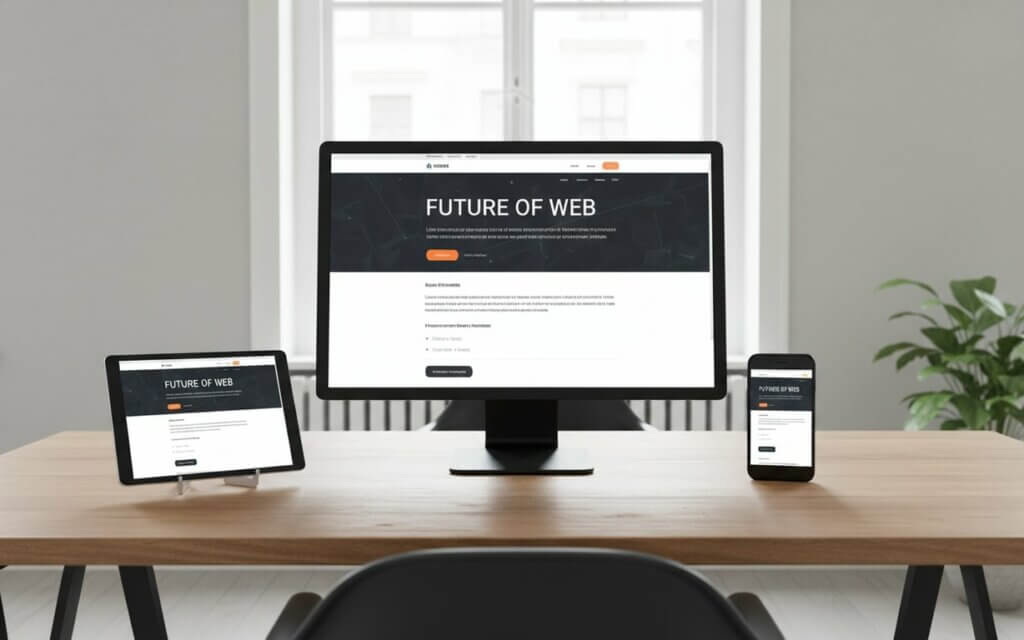
Web typography presents challenges that distinguish it from print design, requiring consideration of technical performance and user experience. Selecting the appropriate font for web applications involves balancing aesthetics with constraints that affect loading speed and accessibility.
- Performance Optimization: Large font files can impact page loading times. The most effective modern font for website use combines visual appeal with file compression, ensuring that typography enhances user experience.
- Cross-Browser Compatibility: Different browsers render fonts differently, potentially affecting visual consistency. Professional web designers test their font in web design choices across platforms to ensure appearance.
- Responsive Design: The best web fonts scale from desktop displays to mobile screens, preserving legibility. This favors fonts with open letterforms and spacing that remain readable at small sizes.
- Accessibility Compliance: Web fonts must support screen readers and provide contrast ratios. The most thoughtful web typography implementations consider these factors, ensuring that design doesn’t compromise accessibility.
Google Fonts has revolutionized web typography by providing a library of optimized typefaces with hosting and delivery. The best Google fonts for website integration offer advantages: they’re hosted on Google’s content delivery network and optimized for web performance. This makes Google Fonts a starting point for web typography projects.
Fallback font stacks provide insurance against rendering issues, ensuring consistent display across all devices and browsers.
Loading strategies for web fonts continue to evolve, with techniques like font display controls offering possibilities for optimization. Modern web designers leverage these technologies to create typography that loads efficiently while providing visual experiences that enhance website performance.
Most popular font choices among professional designersWhen selecting fonts for web design, prioritize performance, cross-browser compatibility, and accessibility. By choosing optimized fonts and employing modern loading strategies, you can ensure a seamless and inclusive user experience.
Fonts for Web Design in 2026
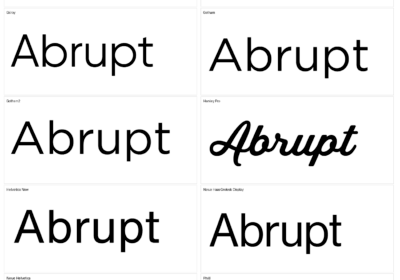
Font Best for License type Roboto(whatfontis.com) UI & app interfaces, Android design, general website body text – excellent legibility on screens Open-source (Google; free personal & commercial use) Open Sans(whatfontis.com) Web & document typography – blogs, dashboards, presentations, long-form content Open-source (Apache 2.0; free personal & commercial) Inter UI(whatfontis.com) Product/UI design & dashboards – designed specifically for interfaces and small sizes Open-source (Inter project; free personal & commercial) Montserrat(whatfontis.com) Modern web branding – navigation, section headings, hero copy for contemporary sites Open-source (SIL OFL; free personal & commercial)
The typography landscape among professional designers reflects a blend of classics and innovations. Understanding which fonts appear in design work provides insights into typographic decision-making and industry trends.
Top font categories in professional design- Helvetica: Continues to dominate professional design work, demonstrating the appeal of neutral typography. This most popular font choice stems from its versatility across applications.
- Contemporary Serif Fonts: Like Minion Pro represent the evolution of traditional typography for modern applications. These best fonts for graphic design combine elegance with refinement.
- Modern Sans-Serif: Fonts like Proxima Nova dominate digital design applications, providing the aesthetic that contemporary brands prefer while offering technical performance for responsive web design.
- Custom Typography Alternatives: The rise of custom typography in branding has elevated fonts like Gotham to professional prominence, offering reliability with personality that helps brands stand out.
Graphic design fonts that achieve professional adoption typically share characteristics: legibility, character sets, and performance across media. These qualities ensure that designers can rely on their chosen typefaces for projects requiring typographic consistency.
Designer typefaces provide the aesthetic that contemporary brands prefer while offering the technical performance required for responsive web design.
Free commercial fonts – licensing and usage rights explainedProfessional designers often blend classic and innovative fonts to achieve typographic excellence. By understanding the qualities that make a font popular and reliable, designers can make informed choices that enhance their projects.
Portfolio, presentations & professional workhorse fonts
Font Best for License type Playfair Display(whatfontis.com) Elegant headings in portfolios / decks; pairs well with sans-serifs for body text Open-source (OFL; commercial use allowed) Montserrat Portfolio UI, case study titles, modern CVs – strong brand feel without being shouty Open-source (OFL; commercial OK) Raleway Minimalist portfolios & slide decks – thin weights for refined headings, heavier for emphasis Open-source (OFL; free personal & commercial) Poppins Modern, “trendy” designer portfolios – looks current in 2025, great in Figma/Photoshop layouts Open-source (Google; free personal & commercial)
Navigating font licensing represents a critical aspect of professional design work. Free commercial fonts offer value for designers, but understanding the legal framework is essential for avoiding licensing violations.
- Royalty Free Fonts: Often creates confusion among designers who assume this term means completely free usage. In reality, royalty-free typically indicates that users pay a one-time fee rather than ongoing royalties, though many fonts marketed as royalty-free do offer completely free commercial usage.
- Open Source Fonts: Represent the most permissive category of free typography, typically released under licenses like the SIL Open Font License (OFL) that allow unrestricted use.
- Free Font Families: Many foundries offer promotional tools, providing limited versions of their commercial typefaces at no cost. These offerings might include basic weights, with full families available for purchase.
Proper attribution requirements vary among free fonts, with some requiring credit in final designs while others impose no obligations. Professional designers maintain records of font licenses to ensure compliance and avoid legal issues.
Trendy fonts – contemporary styles shaping current designAlways carefully review the licensing terms of free commercial fonts to ensure compliance. Understanding the nuances of royalty-free, open source, and promotional licenses will help you avoid legal issues and make informed decisions about font usage.
Typography trends evolve, reflecting cultural shifts and technological advances. Trendy fonts capture the zeitgeist of contemporary design while offering alternatives to classics. Understanding typographic trends helps designers create work that feels current.
Current typography trends shaping modern design- Variable Fonts: Represent a development in typography technology. These typefaces contain styles within single font files, allowing designers to adjust weight dynamically.
- Free Vintage Fonts: The resurgence reflects cultural nostalgia. Contemporary interpretations of historical styles offer the charm of vintage typography with modern refinement.
- Geometric Sans-Serif: Continue to dominate modern design, with new interpretations offering variations on themes. The best design fonts in this category balance precision with warmth.
- Hand-Lettered and Brush Scripts: Have gained popularity as brands seek personal visual identities. These trendy font choices convey craftsmanship in a digital world.
- Experimental Display Fonts: Push creative boundaries, incorporating unusual letterforms. While these fonts serve specific applications, they demonstrate the evolution of typographic expression.
This style appeals to technology companies seeking visual communication. Hand-lettered and brush script fonts have gained popularity as brands seek personal visual identities, helping brands establish connections through typography.
Google fonts for different applicationsStaying informed about typography trends allows designers to create contemporary and relevant work. By exploring variable fonts, vintage styles, and geometric sans-serifs, you can keep your designs fresh and engaging.
Google Fonts has transformed web typography by providing access to typefaces optimized for digital use. This library serves design needs, from playful cute Google fonts to sophisticated serif Google fonts. Leveraging this resource can enhance design projects while maintaining budget efficiency.
Google Fonts categories for specific use cases- Document Design: The best Google Docs fonts prioritize legibility, making them ideal for business documents. Fonts like Libre Baskerville offer elegance with readability, while modern options like Source Sans Pro provide aesthetics suitable for digital workflows.
- Web Design: Free Google web fonts load efficiently across browsers while maintaining rendering quality. The service’s content delivery network ensures loading times, while the font families provide flexibility for creating visual hierarchies across websites.
- Creative Projects: Cute Google fonts like Quicksand bring personality to designs targeting younger audiences. These fonts work well for social media graphics and brands seeking visual identities.
- International Projects: Google Fonts’ commitment to supporting languages makes it valuable for international projects. Many fonts include character sets supporting Latin, enabling typography across multilingual designs.
The integration process for Google Fonts continues to improve, with implementation methods offering performance and control over font loading behavior. Designers can optimize font delivery through techniques like font display controls. These improvements ensure that typography doesn’t compromise website performance.
Free photoshop fonts and design software integrationGoogle Fonts offers a versatile and efficient solution for various design needs. From documents to websites, leveraging Google Fonts can enhance your projects with optimized and accessible typography.
Design software integration represents a consideration when selecting typography for creative projects. Free photoshop fonts must perform reliably within Adobe’s ecosystem while providing creative flexibility. Understanding how fonts interact with design software helps ensure workflows and results across applications.
Essential requirements for design software fonts- Reliability: The best font for editing in Photoshop combines reliability with creative potential. Fonts should render clearly at sizes and maintain appearance when exported to formats.
- Technical Quality: Fonts for graphic design free of technical issues become valuable in professional workflows where reliability is paramount. The most dependable fonts include character sets and optimized hinting.
- Font Management: Font management becomes important as designers accumulate typography libraries. Modern design software offers font organization features, but designers must maintain organized font collections.
Professional designers test new fonts before incorporating them into projects, ensuring that chosen typefaces perform reliably. Cloud-based font services like Adobe Fonts integrate with Creative Suite applications, providing access to fonts without local installation requirements.
Best fonts for portfolio and professional presentationWhen selecting fonts for Photoshop, prioritize reliability and creative flexibility. Testing fonts and maintaining an organized library will ensure a smooth and efficient design workflow.
Portfolio typography plays a role in professional presentation, influencing how potential clients perceive creative work. The best fonts for portfolio use balance readability with personality, ensuring that typography enhances showcased projects. Effective portfolio fonts demonstrate sophistication while maintaining focus on the featured work.
Font selection criteria for professional portfolios- Elegant Options: Free elegant fonts offer alternatives to overused classics, providing the refinement that professional portfolios require without licensing costs. Fonts like Playfair Display combine elegance with refinement.
- Modern Aesthetics: The best modern font choices for portfolios often favor aesthetics that complement design sensibilities. Sans-serif fonts like Inter provide readability while conveying sophistication.
- Typography Hierarchy: Typography hierarchy becomes important in portfolio design, where organization helps viewers navigate through projects. The most effective portfolio fonts offer weights within families.
These fonts work well for digital portfolios where screen readability is essential, enabling designers to create visual hierarchies while maintaining consistency throughout their presentations.
Font collections and resources for designersChoose fonts that balance readability with personality to enhance your portfolio. Effective typography will showcase your work and demonstrate your attention to detail, leaving a lasting impression on potential clients.
Curated font resources provide support for designers seeking to expand their vocabularies efficiently. For those looking to find alternative or similar fonts, especially free alternatives to premium typefaces, these collections offer immense value. Free font collections offer access to quality typefaces while saving time that would otherwise be spent searching through individual font websites. Understanding where to find font resources and how to evaluate their quality can improve design workflows.
Top resources for quality font collections- Curated Serif Collections: The best free serif fonts often appear in curated collections that emphasize quality. Resources like Google Fonts provide access to professionally designed serif typefaces suitable for digital and print applications.
- Open-Source Platforms: Modern fonts free download opportunities have expanded as independent type designers embrace open-source distribution models. Platforms like GitHub host font projects where designers can access typography while contributing to collaborative development efforts.
- Professional Font Families: Professional font collections emphasize font families rather than individual typefaces. A well-designed graphic designer font family includes weights that work together, providing flexibility for design projects.
- Variable Font Collections: Emerging font technologies like variable fonts are beginning to appear in free collections, offering designers access to typography without premium pricing. These font formats provide creative possibilities while demonstrating the evolution of digital typography.
Quality assessment becomes crucial when evaluating font collections, as the abundance of available fonts includes excellent and poor-quality options. Professional designers develop skills for identifying well-designed fonts through examination of letterform quality. Reliable font collections typically include quality standards that filter out problematic fonts.
Frequently Asked Questions about Best Free FontsExploring curated font collections and resources can significantly enhance your design capabilities. By understanding where to find quality typefaces and how to evaluate them, you can improve your workflow and create more impactful designs.
The most critical factors include readability, versatility within font families, brand alignment, accessibility compliance, and technical performance. Professional designers also consider licensing requirements and the font’s ability to maintain visual hierarchy while supporting the design goals.
Always read the specific license agreement for each font, as terms vary. Look for fonts with commercial use permissions, understand attribution requirements, and maintain records of licensing terms. Open source fonts typically offer the most permissive usage rights.
Display fonts are designed for large sizes and visual impact, featuring characteristics that work well for headlines but may be difficult to read in body text. Text fonts prioritize readability for extended reading, with neutral designs that perform well at smaller sizes.
Popular choices include Roboto and Open Sans for their web performance and readability, Inter for modern interfaces, and Playfair Display for headings. The best choice depends on your specific design goals and technical requirements.
Test fonts thoroughly before using them in client projects, checking for rendering and complete character sets. Install fonts properly through your operating system or font management software, and verify that they appear correctly in font menus.
Variable fonts contain styles within single font files, allowing adjustment of weight. They offer design flexibility and can improve web performance. However, browser support is still developing, so consider fallback options for older browsers.
Generally, limit yourself to 2-3 font families per project to maintain visual cohesion. Use different weights within chosen families to create hierarchy rather than adding more font families.
Use font management software to organize fonts by categories. Activate only the fonts you’re currently using to improve system performance. Maintain documentation of licensing terms. Cloud-based font services can reduce local storage requirements.
Fonts with clear character differentiation and good contrast ratios improve accessibility. Sans-serif fonts often perform better for users with dyslexia. Always test font choices with actual users when possible.
While staying current with trends is important, prioritize qualities like readability for long-term projects. Choose fonts that can evolve with your brand rather than following trends. Classic fonts with contemporary updates often provide the best balance.

I'm a programmer at heart. But in my 20s, I realized there was more to the world of fonts than just Courier.
Driven by endless curiosity, I built a system to explore them.
That project grew into one of the world’s leading font identifier platforms: www.WhatFontIs.com.
By 2024, WhatFontIs is helping nearly one million designers—famous or not—discover the names of the fonts they need.