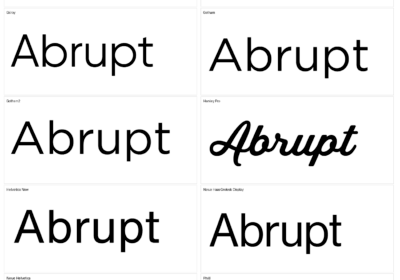
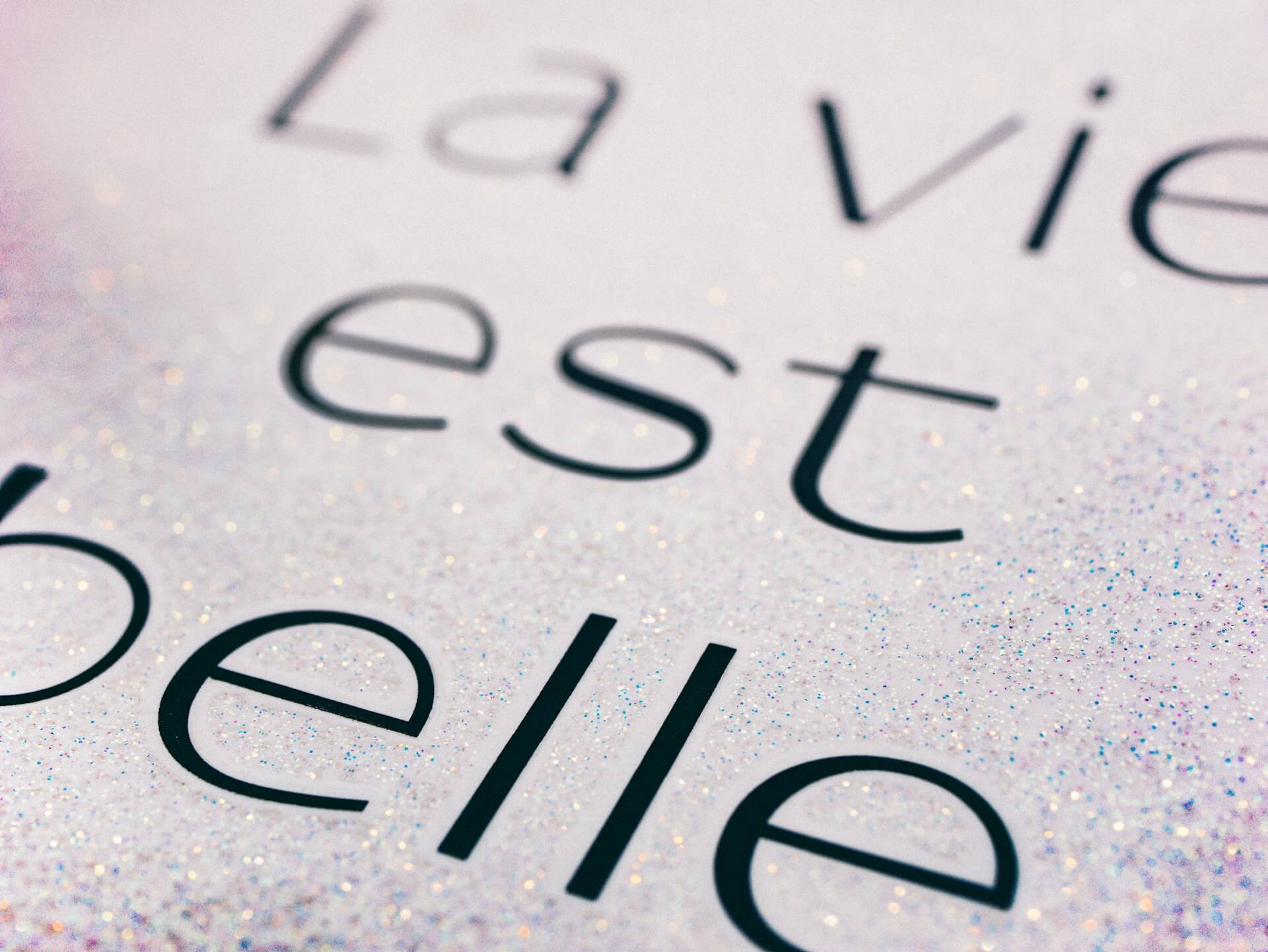
All the little things in the world of high-end branding are carefully designed to make a statement about how exclusive, sophisticated, and valuable something is. Every detail, from the luxurious textures to the carefully arranged photos, adds up to a unified and captivating story about the brand. Typography stands out among these meticulously selected features as a subtle yet powerful communicator, quietly revealing the core of a high-end brand. Typography goes beyond being just words on a page; it becomes an aesthetic representation of the brand’s character, speaking volumes about its past and its future goals. Tradition and classic style are all subtly conveyed in this language, making it ideal for the selective buyer.
What magic, nevertheless, turns a plain font into a sign of luxuriousness? How does it generate an aura of exclusivity and overcome the commonplace through its subtle cues? There’s more to it than meets the eye. There’s a tangled web of design, history, psychology, and practical strategy. The thoughtful design, historical relevance, and purposeful use of a font all contribute to its perceived worth. This article explores the complex complexities of typography in the context of high-end branding, exploring the factors that determine how valuable a font is and how it affects the public’s impression of the brand. In this article, we go over the factors that influence the perception of a font as expensive, specifically looking at how certain typographic choices add to the air of sophistication that major brands work hard to create.
The psychology behind fonts used in luxury brandingTypography is a complex art form that takes advantage of the psychology of visual communication; it’s much more than just picking up visually appealing characters. A brand’s perception can be influenced by the typeface used since numerous fonts bring up different feelings and memories. While a fanciful script would work wonders for a children’s brand, it would be completely out of place at a luxury fashion house. Without even realizing it, high-end labels pick fonts that speak to their customers and give off an air of exclusivity, history, and artistry.
Think about the typefaces used by well-known luxury labels. Traditional, timeless, and traditionally appreciated classic serif fonts like Baskerville, the classic Times New Roman, and Garamond are popular choices. Because they are based on old printing techniques, these fonts link the brand to a long history of quality and creation, as well as to many generations of experience in the field. Imagine the sophistication and style that these fonts bring. They whisper something about tradition and custom fit.
On the other side, Helvetica, Futura, or Avenir are examples of modern, minimalist sans-serif typefaces that some luxury businesses may use to portray an image of innovation and sophistication. Companies that promote contemporary opulence and technological advancement tend to use these sans-serif, geometric typefaces. They talk about looking forward and being efficient.
The most important thing to remember is that the font that you choose should go well with your brand’s overall identity and who you’re trying to reach. Whatever the brand’s ideals and goals may be, the typography, whether it’s a classic serif or a sleek sans-serif, must visually reflect them.
How to strategically use appropriate fonts for a luxury brandingWhen it comes to using typography for high-end branding, picking the correct font is just the beginning. Creating a consistent and powerful brand identity also depends on how you strategically use that font. The choice of a lovely font is insufficient. The application is of the highest priority.
Reliability is essentialAcross all of their promotional materials, luxury brands stick to a similar typographic style. Maintaining this level of uniformity helps people remember the brand and seems to be more integrated overall. The logo, website, packaging, and advertising campaigns should all conform to the same typographic standards and use the same font family. Imagine the effect of a fashion house’s website, product tags, and other marketing materials with the elegant Didot used consistently. This makes things easier for the customer and helps spread awareness of the business.
Successfully combining fontsDifferent brands have different preferences when it comes to fonts. Some stick with a single distinctive font, while others use multiple fonts to add visual intrigue and complexity. A cluttered and unprofessional appearance might result from using too many typefaces, so approach with caution. A small number of fonts that harmonize with one another and support the brand’s overall design are usually used by luxury firms. To achieve a balanced and refined appearance, a classic match may be headings written in a serif font, such as Playfair Display, and body text written in a clean sans-serif, like Montserrat.
The visual aspect of typographyTypography embraces both the written word and the visual arts. A design’s visual effect can be influenced by text size, placement, and style. As a design element, typography is frequently used by luxury businesses to create visually appealing compositions that attract attention and convey brand values. A single word set in a noticeable large font like Bebas Neue can convey a great deal of meaning.
White space’s impactWhen it comes to high-end branding, simplicity is key. Even typography follows this rule. Excessive white space surrounding text improves readability and gives the impression of refined elegance. A feeling of luxury and refinement is expressed as the font breathes and stands out. Picture a serene, subtle beauty expressed by a single line of graceful writing set in a spacious structure.
The significance of contextDesign alone does not constitute a font’s perceived worth. The meaning it expresses is heavily dependent on its context. Contrast the usage of a nicely designed font like Trajan Pro on a cheap flyer with its opulent appearance on premium packaging.
Graphic design and mental modelsBrand visuals and visual design should be enhanced by the typography. Stylish, abstract photography could work with a contemporary, minimalist font like Avenir, yet more conventional, illustrative images could benefit from a classic serif font like Garamond.
In the end, the typeface should convey the brand’s narrative and principles. It needs to discreetly yet effectively express the personality, history, and ambitions of the brand. When crafting their brand story, luxury labels give great consideration to typography. Fonts may reflect a lot about a company’s values and history. A modern, forward-thinking company, on the other hand, might pick for something more modern.
You are now prepared to represent a high-end brand with confidence in your font selection skills. Plus, the greatest tool for that is available if you come across an ideal font for this type of business but are unsure of its name, so you can include it into visually stunning designs. Here, at WhatFontIs.com, we use an unique tool that identifies more than a million typefaces! Utilizing our tool can help you find the typeface you are seeking for whether free or premium. Furthermore, we are the only ones making use of a system offering substitutes for expensive fonts.
Now is the time to put our skills to the test and create visuals complementing the high-end brand you represent!

I'm a programmer at heart. But in my 20s, I realized there was more to the world of fonts than just Courier.
Driven by endless curiosity, I built a system to explore them.
That project grew into one of the world’s leading font identifier platforms: www.WhatFontIs.com.
By 2024, WhatFontIs is helping nearly one million designers—famous or not—discover the names of the fonts they need.