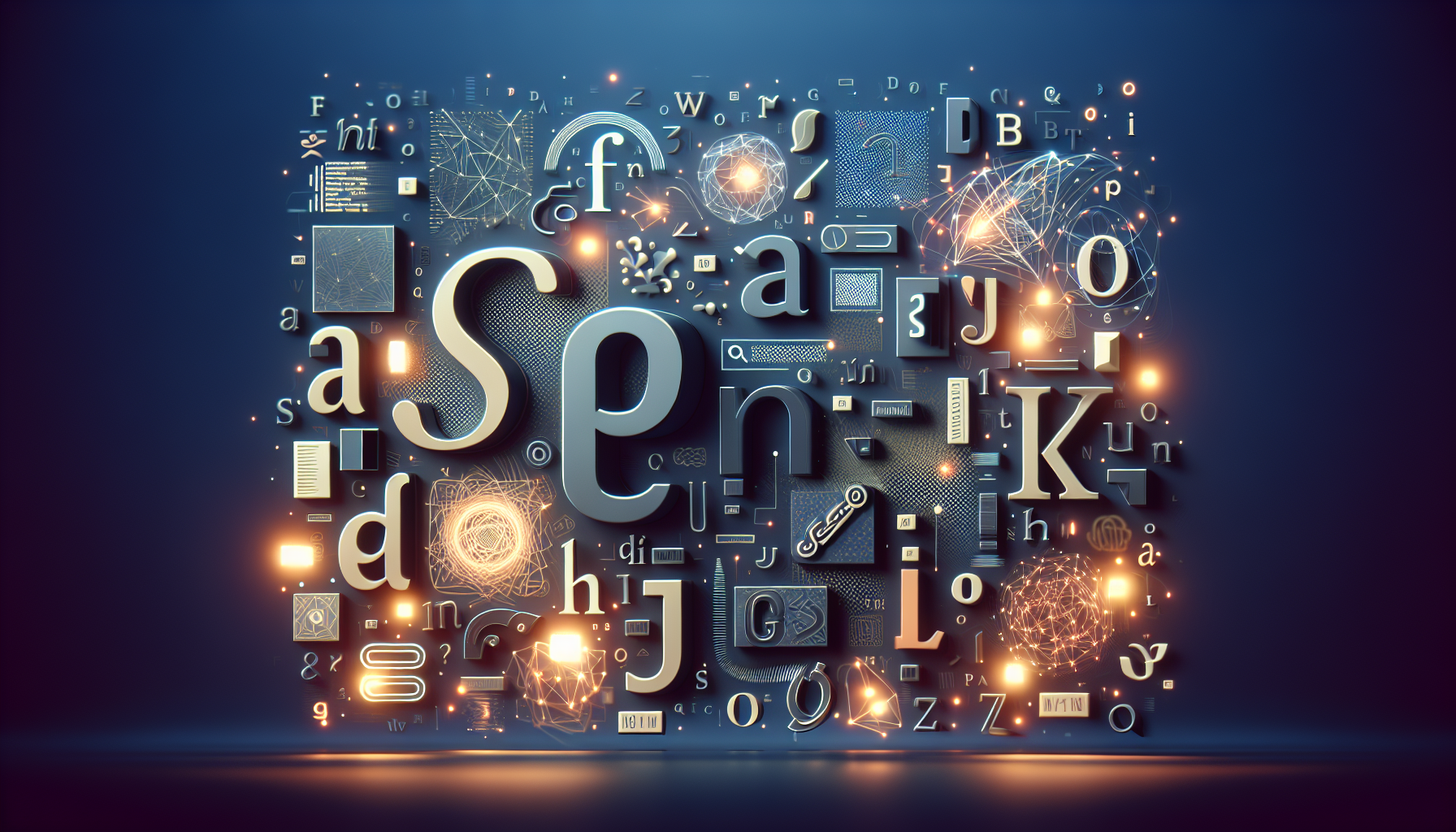
If you’ve ever spent two hours scrolling through font libraries trying to find “something that feels like a cozy bookshop but also kind of modern,” you already understand the problem Monotype just tried to solve. Last week, the type giant launched AI Search — a tool that lets you find fonts by simply describing what you’re looking for in plain English. No more clicking through endless filter dropdowns. No more guessing which category a font falls into. Just tell it what you need, and it pulls up curated suggestions.
It sounds almost too simple, but the implications for how we work with type are pretty significant. Let’s dig into what this actually means for designers, developers, and anyone who’s ever agonized over a font choice.
What Monotype AI Search Actually DoesLaunched on February 26, 2026, AI Search is now live on both MyFonts (in the U.S. and U.K.) and the Monotype Fonts platform. Instead of the traditional approach — where you’d filter by classification, weight, width, or style — you can now type conversational prompts describing moods, brand traits, or creative use cases.
Think of it like having a conversation with a really knowledgeable type consultant. You could type something like “a friendly serif that works for a children’s book publisher” or “something geometric and sharp for a tech startup” and get results that actually make sense. The tool doesn’t just match keywords. It interprets the intent behind your description and pulls from Monotype’s massive library of fonts from over 4,500 foundry partners.
What makes it genuinely useful is that it also explains why it’s recommending each font. You get semantic explanations alongside the suggestions, so you’re not just looking at a list — you’re understanding why a particular typeface fits your brief. That educational layer is something traditional font browsers have never offered.
Why Traditional Font Search Has Always Been BrokenHere’s the thing most designers won’t admit out loud: finding the right font has always been weirdly inefficient. You know the feeling you want, but translating that feeling into filter categories is like trying to describe a color to someone over the phone. Is it a “display” font or a “decorative” one? Is it “humanist sans-serif” or “grotesque”? The taxonomy we’ve been using for decades was designed by typographers for typographers, and it doesn’t always match how the rest of us think about type.
Monotype’s own research backs this up. According to their data, 82% of creatives cite typography as one of their top three design decisions, and 85% view distinctive fonts as critical to brand identity. Yet the tools we use to make those decisions have barely evolved beyond basic filtering. You’d think an industry that cares this much about type would have better search tools by now.
The old workflow usually looked something like this: browse a curated list someone else made, ask a colleague what font they used on that one project, or just default to the same five typefaces you always use. AI Search tries to break that cycle by meeting designers where they already think — in moods, feelings, and references rather than technical classifications.
The “35% of Creative Time” ClaimMonotype says organizations could reclaim up to 35% of creative time by streamlining font discovery. That’s a bold number, and honestly, it depends a lot on your workflow. If you’re a freelance designer who already has a go-to collection, this might save you twenty minutes here and there. But if you work at an agency where font selection involves multiple rounds of exploration, client presentations, and brand alignment discussions — that time savings starts to add up fast.
Their research also found that 62% of organizations already using AI and automation tools reported boosts in both efficiency and creativity. The key word there is “and.” It’s not just about speed. When you spend less time in the weeds of searching, you have more mental space for the actual design work. That’s the real promise here — not just faster font picking, but better creative decisions because you’re not exhausted from the search process.
How It Compares to What’s Already Out ThereMonotype isn’t the first company to use AI in the font space. We’ve seen AI-powered font identification tools, font pairing suggestions, and even AI-generated typefaces. But AI Search is doing something slightly different: it’s applying natural language understanding to an existing, curated library of professional fonts rather than trying to generate new ones.
That distinction matters. When you use AI Search, you’re still getting fonts designed by real type designers from established foundries. The AI is just helping you navigate the catalog more intuitively. It’s a librarian, not an author. And for most professional work, that’s exactly what you need — you want proven, well-crafted typefaces, just faster access to the right ones.
The tool currently supports English, French, German, Spanish, and Portuguese, which covers a lot of the global design market but still leaves gaps for designers working in Asian or Arabic scripts. It’ll be interesting to see how quickly Monotype expands language support.
What This Means for the Broader Font IndustryThis launch feels like it could push the entire font discovery experience forward. If Monotype — the company that basically invented digital type management — is betting on conversational AI search, other platforms will likely follow. Google Fonts, Adobe Fonts, and independent foundry websites all still rely on traditional filtering. It’s only a matter of time before natural language search becomes the expected standard.
There’s also an interesting implication for smaller, independent foundries. One of the biggest challenges for indie type designers has always been discoverability. If AI Search can surface a niche foundry’s work because it genuinely fits a designer’s described need — rather than because it ranks well in a category filter — that could level the playing field a bit. Of course, the flip side is that AI recommendations could also concentrate attention on already-popular fonts. How Monotype trains and tunes their algorithms will matter a lot.
Should You Actually Try It?If you use MyFonts or Monotype Fonts regularly, there’s no reason not to try AI Search on your next project. It’s baked right into the existing platforms, so it’s not a separate app or subscription. Just start typing what you’re looking for the way you’d describe it to a colleague, and see what comes back.
For those of us who geek out about typography, there’s something genuinely exciting about a tool that treats font selection as a creative conversation rather than a database query. Mike Matteo, Monotype’s Chief Typography Officer, put it simply: finding the right font shouldn’t feel like searching for a needle in a haystack.
He’s right. And while AI Search isn’t going to replace the deep typographic knowledge that comes from years of working with type, it might just make that knowledge more accessible to everyone — from seasoned art directors to first-time founders picking a brand font.
The real test will be whether the recommendations are actually good enough to trust. But if Monotype’s library depth and typographic expertise translate well into AI-powered curation, this could genuinely change how we all find fonts. And honestly? It’s about time.
What do you think — will AI-powered font search change your workflow, or do you prefer the old-fashioned browse-and-discover approach? Drop your thoughts in the comments.

I'm a programmer at heart. But in my 20s, I realized there was more to the world of fonts than just Courier.
Driven by endless curiosity, I built a system to explore them.
That project grew into one of the world’s leading font identifier platforms: www.WhatFontIs.com.
By 2024, WhatFontIs is helping nearly one million designers—famous or not—discover the names of the fonts they need.